Northern Spain Wine & Coast EV Circuit Road Trip from Madrid
Experience Spain's finest wine regions and dramatic coastlines on this comprehensive 2,200km electric vehicle circuit...
Picture this - cruising silently through the rolling vineyards of Burgundy in your electric vehicle, arriving at a freshly-minted Michelin-starred restaurant where the 2025 guide has awarded 68 new stars across France. Then, after a perfect night’s rest at an EV-friendly château, you’re bound for the sun-drenched hills of Tuscany, where Italy’s 2025 Michelin Guide celebrates 70 years with 393 starred restaurants, including 36 newly awarded honours.
This isn’t just a road trip — it’s a sustainable gastronomic pilgrimage that combines Europe’s finest culinary traditions with cutting-edge electric mobility. From the champagne cellars of Reims to the truffle-laden hills of Piedmont, your electric journey will prove that luxury travel and environmental consciousness make perfect companions.
The optimal time for this culinary electric adventure is September to October during harvest season, when vineyards burst with activity and restaurants showcase seasonal truffle menus, with an estimated budget of €280-400 per day including charging, accommodation, and fine dining.
France boasts around 160,000 individual EV charging points as of summer 2025, more than double the UK’s infrastructure, whilst Italy provides 34,925 charging stations throughout the country. This extensive network means you can traverse wine regions without range anxiety, arriving at each Michelin-starred destination refreshed rather than frazzled by engine noise and emissions.
The electric advantage extends beyond mere convenience. EV drivers receive an automatic 5% discount on French motorway tolls when subscribed to electronic toll collection accounts, and many vineyard estates now offer preferential parking for electric vehicles, recognising their guests’ commitment to sustainable luxury.
Modern gastronomy increasingly celebrates local sourcing and environmental stewardship. Italy’s 2025 Michelin Guide even awards Green Stars to restaurants at the forefront of culinary sustainability, making your electric journey perfectly aligned with contemporary dining philosophy.
Your epic electric journey begins with the seamless transition from London’s urban sophistication to the champagne hills of Reims. This opening leg establishes the luxury and efficiency that will define your entire adventure.
The ultra-rapid 210kW and 50kW chargers at both Folkestone and Calais terminals provide full charge in 20-60 minutes. Tesla Superchargers and 50kW assistance-friendly chargers ensure every EV is accommodated. Use the terminal building’s cafés and duty-free shopping whilst your vehicle charges to maximum capacity.
The A26 Autoroute des Anglais offers excellent road conditions with dedicated aire stops every 40-60km featuring rapid charging facilities. The landscape transitions from northern French agricultural plains to the rolling chalk hills of Champagne-Ardenne, with the first vineyards appearing near Épernay.
Your arrival in Reims marks the beginning of serious gastronomy. The city offers multiple charging options including Leclerc and Auchan supermarkets with rapid chargers. The Montagne de Reims provides your first taste of French wine culture, where traditional champagne houses line the hillsides.
This circular exploration of Champagne’s greatest estates combines the romance of bubbles with the quiet efficiency of electric mobility. Your EV’s silent operation is perfect for early morning vineyard visits when the air is crisp and the light magical.
The Avenue de Champagne houses the world’s most prestigious champagne maisons. Your EV can silently cruise past Moët & Chandon, Perrier-Jouët, and Pol Roger before parking at the town centre charging station (22kW available). The underground chalk cellars maintain constant temperatures year-round, perfect for escaping any weather.
The hilltop village of Hautvillers claims Dom Pérignon’s abbey as champagne’s birthplace. Village charging posts (11kW) allow extended exploration of the abbey and surrounding vineyards. The panoramic views across the Vallée de la Marne are spectacular, with photo opportunities at every turn.
Ay village boasts premier cru status with houses like Bollinger and Deutz. The village charging station supports wine tasting sessions that can extend for hours. Traditional méthode champenoise demonstrations showcase techniques unchanged for centuries.
Several champagne houses now offer EV charging for visitors, including Krug and Dom Pérignon. These facilities typically provide 22kW charging during 2-3 hour estate visits, combining sustainability with luxury.
This leg transitions from champagne bubbles to Burgundy’s profound still wines, with the landscape changing from chalk hills to limestone slopes. Your EV’s efficiency shines on the gentle gradients of the Côte d’Or.
Troyes offers a perfect charging stop with 50kW rapid chargers at Centre Commercial McArthurGlen. The medieval city centre provides lunch options whilst your EV charges. The timber-framed buildings and cobblestone streets create a fairytale atmosphere.
The Chablis region introduces Burgundy’s obsession with terroir. Village charging posts (22kW) support extended tastings at domains like William Fèvre and Louis Michel. The Kimmeridgian soil creates wines of mineral precision that perfectly complement the region’s culinary traditions.
Beaune serves as Burgundy’s wine capital, with the Hospices de Beaune providing architectural grandeur. Multiple charging networks including Freshmile ensure convenient access. The city’s ramparts encircle wine shops, restaurants, and cellars dating back centuries.
The Côte d’Or circuit represents one of wine’s most sacred landscapes. Your EV’s quiet operation allows appreciation of the subtle differences between each vineyard parcel whilst regenerative braking recovers energy on the gentle descents.
Pommard village produces powerful Pinot Noir from its iron-rich soils. The Château de Pommard offers EV charging alongside comprehensive wine education. Their biodynamic practices align with your sustainable travel philosophy.
Meursault produces some of Burgundy’s finest white wines. Village charging posts (22kW) support extended tastings at domains like Comte Lafon and Coche-Dury. The village’s limestone buildings reflect the soil composition that creates these mineral-driven wines.
The Montrachet vineyard produces the world’s most expensive white wine. Village charging ensures you can visit multiple domains without range anxiety. The Domaine de la Romanée-Conti and Domaine Leflaive represent viticultural perfection.
This village produces both exceptional whites and reds. The Clos Saint-Jean and Morgeot vineyards showcase terroir diversity within a single commune. EV charging at Château de Chassagne-Montrachet supports extended visits.
The Côte d’Or’s gentle slopes provide 5-10% energy recovery during descents. The constant elevation changes from 200-500m create perfect conditions for maximising EV efficiency whilst exploring wine villages.
This leg connects Burgundy’s wine excellence with Lyon’s culinary mastery. The route follows the Saône valley, offering flat, efficient driving with the anticipation of encountering French gastronomy’s heartland.
This Saône river port offers excellent charging facilities with 100kW+ stations. The town’s photography museum honours Nicéphore Niépce, inventor of photography. Riverside restaurants provide perfect lunch stops whilst your EV charges.
Mâcon marks the entrance to Beaujolais country. The Pouilly-Fuissé appellation produces exceptional Chardonnay from limestone soils. Village charging supports wine tastings at prestigious domains like Château Fuissé.
Lyon boasts France’s most extensive urban charging network with over 1,000 charging points. The city’s Presqu’île district provides multiple rapid charging options. Lyon’s position as France’s gastronomic capital creates anticipation for exceptional dining.
This longest leg traverses central France’s varied landscapes, from the volcanic Massif Central to the Atlantic coastal plains. The route requires strategic charging stops but rewards with dramatic scenery changes.
Saint-Étienne offers rapid charging at the Châteaucreux district. The UNESCO City of Design provides cultural interest whilst your EV charges. The city’s transformation from industrial centre to design hub mirrors the automotive industry’s electric evolution.
The Massif Central’s volcanic landscape creates dramatic driving with excellent regenerative braking opportunities. Clermont-Ferrand serves as a major charging hub with multiple 100kW+ stations. The Puy de Dôme volcano provides spectacular views across the Auvergne region.
Limoges porcelain represents French craftsmanship excellence. The city’s charging infrastructure supports cultural visits to the Musée National Adrien Dubouché. Regional specialities like clafoutis and boudin noir provide hearty sustenance.
Bordeaux’s UNESCO World Heritage architecture creates a stunning arrival. The Garonne river reflects the city’s 18th-century limestone buildings. Multiple charging networks including Freshmile (offering free charging) ensure convenient access.
This leg explores Bordeaux’s legendary wine regions, from the Médoc’s grand châteaux to Saint-Émilion’s medieval charm. The relatively flat terrain maximises EV efficiency whilst visiting some of wine’s most prestigious addresses.
The Médoc peninsula stretches northwest from Bordeaux along the Gironde estuary. Pauillac hosts three of Bordeaux’s five first growths: Lafite, Latour, and Mouton. Village charging stations (22kW) support extended château visits.
Saint-Estèphe produces structured, long-lived wines from clay-limestone soils. Château Cos d’Estournel offers architectural drama with its oriental façade overlooking the Gironde. The estate provides EV charging for visitors.
Saint-Julien combines power with elegance, housing Ducru-Beaucaillou and Léoville Las Cases. The commune’s compact size allows walking between châteaux whilst your EV charges at the village station.
Margaux village produces Bordeaux’s most elegant wines. Château Margaux represents architectural and viticultural perfection. The appellation’s gravel soils create wines of exceptional finesse and longevity.
The medieval hilltop town of Saint-Émilion combines UNESCO World Heritage architecture with wine excellence. Underground limestone cellars maintain constant temperatures. The town’s charging stations support extended exploration of both above and below ground.
Pomerol’s small size conceals some of Bordeaux’s most expensive wines. Château Pétrus and Le Pin produce wines of extraordinary concentration. The appellation’s clay soils favour Merlot-based blends.
This epic leg transitions from Atlantic maritime climate to Mediterranean sunshine. The route crosses diverse terrains, from Gascony’s rolling hills to Provence’s lavender fields, culminating in the glamour of Monaco.
Toulouse’s pink brick architecture creates a distinctive cityscape. The Capitole square provides urban grandeur whilst your EV charges at nearby stations. The city’s aerospace industry mirrors the technological innovation of electric vehicles.
Montpellier introduces Mediterranean climate and cuisine. Multiple 100kW+ chargers support extended stops. The city’s tram system demonstrates urban electric mobility’s success. Regional specialities like brandade de morue and pélardon cheese provide local flavours.
Nîmes’ Roman amphitheatre and Maison Carrée provide historical grandeur. The city’s charging infrastructure supports cultural visits. The transition to Provence begins with olive groves and vine-covered hillsides.
Aix-en-Provence’s fountains and plane tree-lined streets create typical Provençal atmosphere. The Cours Mirabeau provides elegant shopping whilst your EV charges. Cézanne’s studio and Montagne Sainte-Victoire offer artistic inspiration.
Nice airport and city centre provide extensive charging options. The Promenade des Anglais offers Mediterranean views whilst your EV charges. The city’s Belle Époque architecture creates timeless elegance.
Monaco’s luxury hotels provide premium EV charging facilities. The Monte Carlo Casino and Prince’s Palace represent ultimate luxury. Free city centre parking for EVs reflects the principality’s environmental commitment.
This dramatic leg crosses the Maritime Alps through the famous Col de Turini, offering spectacular mountain driving with excellent regenerative braking opportunities. The route connects French sophistication with Italian passion.
The Col de Turini provides one of Europe’s most spectacular drives. These ‘balcony roads’ cut into steep cliff faces above Nice and Monaco. The 48 hairpin turns offer dramatic views whilst regenerative braking recovers substantial energy during descents.
The Col de Turini and Col de Braus feature in the Monte Carlo Rally, providing legendary driving roads. Your EV’s instant torque and precise handling excel on these challenging mountain passes. The roads’ fame from rally driving creates special significance.
The French-Italian border provides seamless transition within the Schengen Area. Italian charging networks begin immediately, with Enel X and BeCharge providing extensive coverage. The language transition from French to Italian marks cultural change.
Cuneo serves as the gateway to Piedmont region. The city’s charging infrastructure supports mountain crossing recovery. Regional specialities like bagna cauda and brasato al Barolo provide hearty mountain cuisine.
Turin’s industrial heritage contrasts with royal palace elegance. The Mole Antonelliana provides architectural drama whilst your EV charges at city centre stations. The city’s role as Fiat headquarters creates automotive significance.
This leg explores Piedmont’s most prestigious wine regions during peak truffle season. The Langhe hills provide perfect EV touring with their gentle gradients and spectacular autumn colours.
Alba transforms during October’s white truffle season. The Mercato del Tartufo operates Saturday mornings with astronomical prices for these aromatic fungi. The town’s charging stations support extended exploration of truffle shops and wine bars.
Barolo village produces Nebbiolo’s most structured expression. The Castello di Barolo houses the wine museum whilst village charging supports extended tastings. Traditional producers like Giacomo Conterno create wines requiring decades of patience.
La Morra provides panoramic views across the Langhe hills. The village’s elevated position showcases the Barolo zone’s complexity. Modern producers like Elio Altare demonstrate contemporary winemaking whilst respecting tradition.
Barbaresco produces Nebbiolo’s most elegant expression. Gaja and Produttori del Barbaresco represent contrasting approaches to this noble grape. The Enoteca Regionale provides comprehensive tastings.
Neive combines Barbaresco production with Moscato d’Asti. The village’s medieval architecture provides intimate charm. Family producers like Bruno Giacosa create wines of exceptional refinement.
This leg transitions from Piedmont’s rolling hills to Tuscany’s iconic landscapes. The route follows the Ligurian coast before turning inland toward Florence, providing maritime and mountain scenery.
Genoa’s maritime heritage created Christopher Columbus and Andrea Doria. The Via del Campo provides authentic local atmosphere whilst your EV charges. Focaccia and pesto represent genuine Ligurian cuisine.
La Spezia provides access to the Cinque Terre coastal villages. The charging infrastructure supports detours to Monterosso, Vernazza, and Riomaggiore. The UNESCO World Heritage coastline offers dramatic cliff-top views.
Lucca’s intact medieval walls create a unique urban environment. The Duomo di San Martino and Palazzo Pfanner provide architectural grandeur. The city’s charging stations support extended exploration of this perfectly preserved Renaissance city.
Florence represents the Renaissance at its peak. The Duomo, Uffizi, and Ponte Vecchio provide artistic overload. The city’s urban charging network supports cultural visits whilst you prepare for Tuscan wine exploration.
This final leg explores Tuscany’s most famous wine regions along the iconic SR222 ‘Chiantigiana road’. The route provides picture-perfect vineyard landscapes whilst your EV silently navigates the gentle hills.
Greve in Chianti serves as the Chianti Classico gateway. The triangular Piazza Matteotti houses the Antica Macelleria Falorni and Enoteca Falorni. The village charging station supports extended wine shopping.
Panzano hosts Dario Cecchini, Italy’s most famous butcher. His theatrical presentations of Chianina beef create unforgettable experiences. The village’s medieval church provides spiritual contrast to carnivorous indulgence.
Castellina dates to Etruscan times with the Via delle Volte underground medieval passageway. The Rocca di Castellina tower provides panoramic views whilst your EV charges at the Enoteca Squarcialupi.
Radda represents Chianti’s most scenic town with perfect medieval preservation. The SP2bis road spirals through vineyards and ancient woods. Traditional producers maintain centuries-old techniques.
Siena’s shell-like Piazza del Campo hosts the Palio horse race. The Duomo provides Gothic architecture whilst the Palazzo Pubblico houses Lorenzetti’s frescoes. Historic centre charging restrictions require peripheral parking.
Montalcino produces Brunello, Tuscany’s most prestigious wine. The Fortress of Montalcino provides commanding views whilst the Enoteca La Fortezza offers comprehensive tastings. Village charging supports extended exploration.
Montepulciano produces Vino Nobile, Tuscany’s oldest DOCG wine. The Renaissance architecture provides artistic grandeur whilst underground cellars maintain perfect wine storage conditions.
Your electric culinary journey concludes with the satisfaction of having explored Europe’s finest wine regions and Michelin-starred restaurants whilst maintaining perfect environmental harmony. The silence of your EV allowed appreciation of each vineyard’s unique character, from Champagne’s chalk soils to Tuscany’s rolling hills, proving that luxury and sustainability create the perfect pairing for modern gastronomy.
Your electric journey through France and Italy’s culinary heartlands represents more than just a road trip—it’s a statement about the future of luxury travel. As the 2025 Michelin Guides celebrate 68 new stars in France and 36 new honours in Italy, your silent electric vehicle will carry you between these temples of gastronomy without disturbing the tranquil vineyard landscapes that inspire the world’s finest chefs.
The infrastructure is ready: France’s 160,000 charging points and Italy’s 34,925 charging stations ensure you’ll never be far from a rapid charge. The timing is perfect: September and October’s harvest season brings vineyards to life with the excitement of La Vendemmia. The cuisine awaits: from Reims’ champagne cellars to Piedmont’s truffle-scented hills, Europe’s greatest culinary traditions embrace visitors who share their commitment to sustainability.
Your electric culinary adventure proves that the future of luxury travel isn’t just about reaching your destination—it’s about the quiet confidence that comes from knowing your journey enriches rather than depletes the very landscapes that make these experiences possible. In the gentle hum of your electric motor, you’ll find the perfect soundtrack for savouring Europe’s most exquisite flavours.
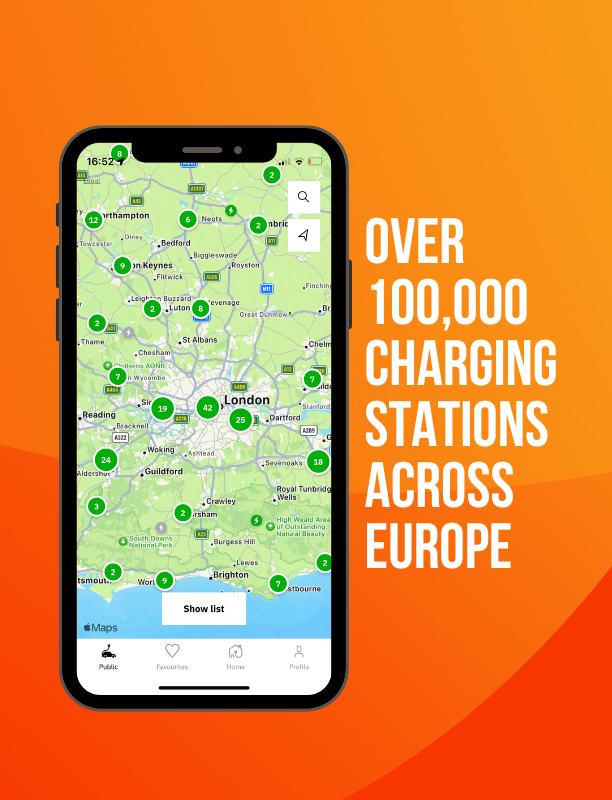
Ready to begin your electric culinary journey? Download the easyCharging app today and discover how simple it is to explore Europe’s finest wine regions and Michelin-starred restaurants with the confidence that comes from having access to over 100,000 charging points across Europe, with transparent pricing and 24/7 customer support.
You can fully charge your EV in 20-60 minutes using ultra-rapid 210kW and rapid 50kW chargers, perfect for lunch breaks or extended wine tastings. Most vineyard visits last 60-90 minutes, providing ample time for meaningful charging.
Many Michelin-starred restaurants, particularly in wine regions, now offer EV charging as part of their sustainability initiatives. Hotels and restaurants are increasingly installing destination chargers, though it’s recommended to confirm availability when booking.
September and October during harvest season offer the most exciting vineyard experiences, whilst vendanges typically begin in late August and continue through October. Charging infrastructure is well-established year-round, with October being ideal for Piedmont’s truffle season.
France averages €0.41 per kWh whilst Italy averages €0.68 per kWh, making 100km cost approximately €3-5 for electric versus €12-15 for petrol. Additionally, EV drivers receive a 5% discount on French motorway tolls.
Yes, most 4-star and luxury accommodations in wine regions offer EV charging facilities. Many agriturismi and châteaux provide charging for guests, often at no additional cost, making overnight charging the most economical option.
Multiple apps like Chargemap, Plugshare, and network-specific applications help locate alternative charging points. The dense charging network means backup options are typically within 10-20km, and easyCharging provides 24/7 customer support for assistance.
Experience Spain's finest wine regions and dramatic coastlines on this comprehensive 2,200km electric vehicle circuit...
Forget the crowded tourist trails—Europe's most spectacular hidden gems are now fully accessible to electric vehicle ...
Escape the ordinary with the ultimate electric car adventure from England to Spain's stunning Costa Brava. This compr...